
Sapa is northern Vietnam’s most spectacular trekking destination — emerald rice terraces cascading down mountain slopes, ethnic minority villages (Hmong, Dao, Tay, Giay), and Vietnam’s highest peak Mount Fansipan at 3,143 m. 6-8 hours from Hanoi by sleeper train or bus. This complete guide to Sapa from Hanoi for 2026 covers transport options, top treks, best operators, when to go, and how to plan the perfect Sapa adventure.

How to Get from Hanoi to Sapa
Sleeper Train (8 hours, $25-60)
Hanoi Railway Station to Lao Cai overnight train. Soft sleeper cabins are comfortable. Top operators: Livitrans, Chapa Express, Sapaly Express, SP1/SP2 (state operator). From Lao Cai, 1-hour minivan drive to Sapa center. Departs Hanoi ~10:00 PM, arrives Lao Cai ~6:00 AM. Books up 1-2 weeks ahead in peak season.
VIP Sleeper Bus (5-6 hours, $15-30)
Direct Hanoi to Sapa center. Faster than train but less comfortable. Day or overnight options.
Private Car (5-6 hours, $200-300)
Most comfortable; flexible departure. Multiple stops possible along the way.
Domestic Flight (1 hour to Lao Cai + 1 hour drive)
Very limited service. Generally not worth the complexity for a Sapa trip.
Top Sapa Treks
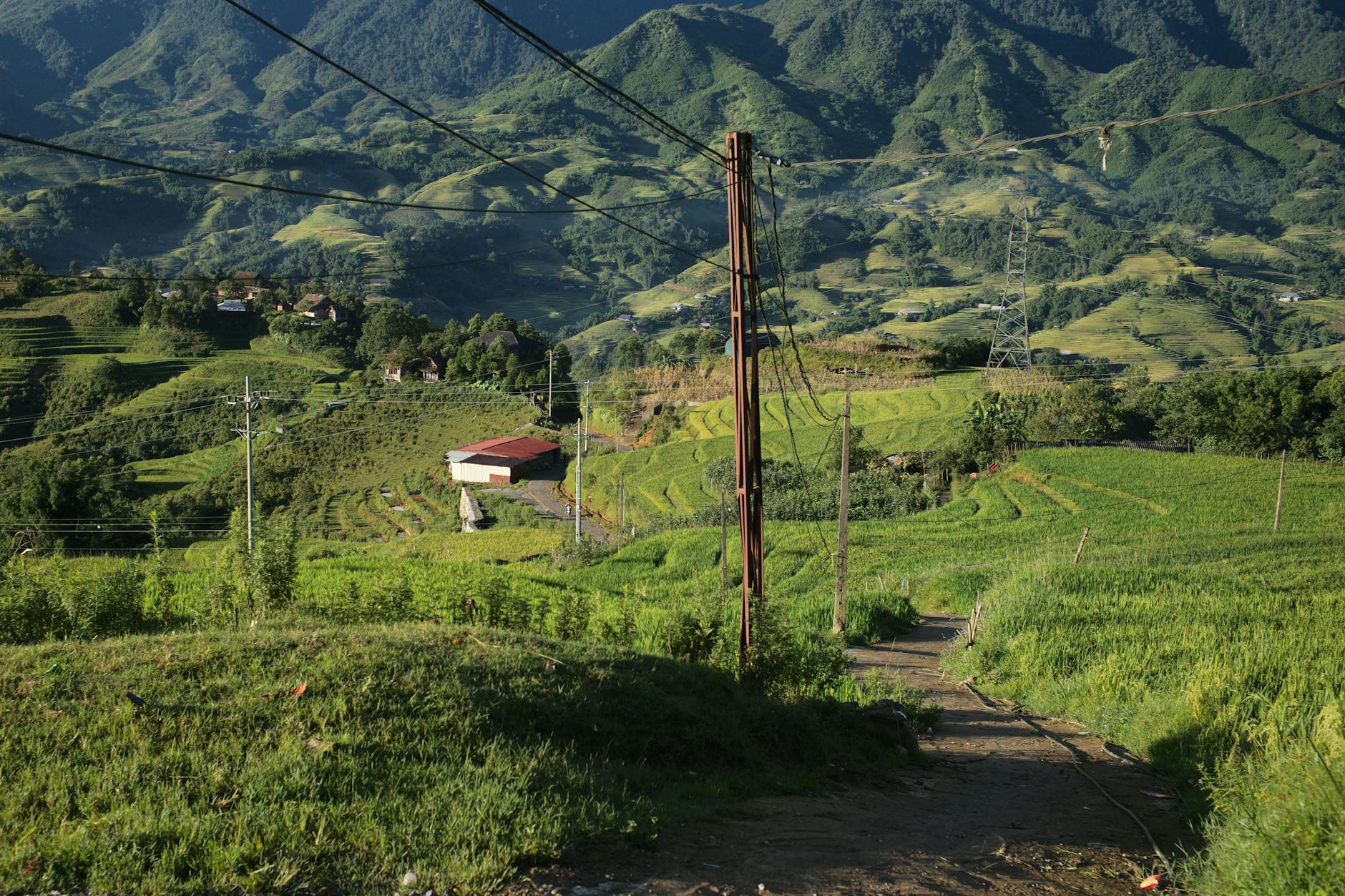
Cat Cat Village (1-2 hours, easy)
Closest village to Sapa town. Black Hmong community with traditional handicrafts. Best for short visits and elderly travelers.
Lao Chai & Ta Van Villages (1 day or overnight)
Classic Sapa trek route. Hmong and Giay villages with homestays. Through rice terraces and small streams.
Y Linh Ho Trek (Full day)
Less touristed route through Black Hmong villages. Beautiful terraced views.
Giang Ta Chai (1 day with bamboo forest)
Red Dao village with waterfalls and bamboo forest paths.
Ban Ho & Thanh Phu (2-3 day trek)
Deepest Sapa trek through Tay villages. Few tourists. Overnight in genuine homestays.
Mount Fansipan Summit (Cable Car or 2-Day Trek)
Cable car: 15-minute ride. Trek: 2 days with experienced guide. Vietnam’s highest peak at 3,143 m.
Top Sapa Trekking Operators

- Sapa Sisters — women-led Hmong-owned operator. Authentic homestays. The most-loved Sapa operator.
- Sapa O’Chau — social enterprise employing local minorities.
- ETHOS Spirit of the Community — meaningful cultural exchange tours.
- Sapa Adventure Tours — established operator with broad options.
- Topas Travel — runs Topas Ecolodge plus trek options.
Sapa Accommodation
Luxury
- Topas Ecolodge ($300-600) — mountain-top bungalows with iconic views.
- Hotel de la Coupole MGallery ($180-400) — Bill Bensley-designed luxury in Sapa town.
Mid-Range
- Sapa Clay House ($60-110) — boutique with rice-terrace views.
- Pao’s Sapa Leisure Hotel ($70-130) — central Sapa town.
Homestays
- Lao Chai or Ta Van Hmong homestays ($15-35/night) — with meals.
- Giang Ta Chai Red Dao homestay ($15-30).
Best Time for Sapa

- March-May: Spring blossoms, mild weather, green terraces.
- September-October: Golden harvest season. Most photogenic.
- June-August: Hot and wet. Avoid heavy monsoon weeks.
- November-February: Cold (sometimes snow on Fansipan). Atmospheric but harsh trekking.
Sample Sapa Itineraries
2D1N Quick Visit
- Day 1 night: Sleeper train Hanoi to Lao Cai.
- Day 1: Arrive Sapa 7 AM. Cat Cat Village morning trek. Lunch in Sapa. Afternoon Y Linh Ho or museum.
- Day 1 night: Hotel in Sapa town.
- Day 2: Lao Chai & Ta Van full-day trek. Return Sapa 5 PM. Sleeper train back to Hanoi.
3D2N Classic Trek
- Day 1: Sleeper train arrival. Cat Cat morning. Sapa town afternoon.
- Day 2: Trek to Lao Chai. Homestay overnight.
- Day 3: Trek to Ta Van and Giang Ta Chai. Return to Sapa. Train back.
4D3N Deeper Experience
- Add Topas Ecolodge or Fansipan cable car.
- 2-day homestay trek to Ban Ho.
What to Pack for Sapa
- Sturdy waterproof hiking shoes.
- Layers (cool temperatures even in summer).
- Light insulated jacket.
- Rain jacket.
- Hat and sunscreen.
- Daypack with water bladder.
- Cash for tipping and shopping.
- Headlamp.
- Trekking poles (optional).
- Small gifts for homestay families.
Sapa FAQs
How long to spend in Sapa?
2 days minimum, 3-4 days ideal. Multi-day treks reward longer stays.
Train or bus?
Sleeper train is more comfortable; VIP bus is faster and goes directly to Sapa.
Do I need a guide?
Yes for multi-day treks; many shorter routes can be done independently with a map.
How cold does it get?
December-February temperatures drop to 5-10°C; occasional snow on Fansipan summit.
Is Sapa worth visiting?
Absolutely — for travelers with 7+ days in northern Vietnam. Skip if your total trip is under 5 days.
Can I do Sapa as a day trip from Hanoi?
No — total transit time is 10-16 hours round trip. Minimum 2 days needed.
Are homestays comfortable?
Basic but welcoming. Shared bathrooms, simple beds, family meals.
How much should I tip the guide?
$5-10 per person per day for a great experience.
Plan Your Sapa Adventure
Sapa is the spectacular extension that defines northern Vietnam trips. With this guide you have transport options, top treks, accommodation, and timing. Pair this guide with our Day Trips from Hanoi pillar, our adventure activities guide, and our transportation guide.