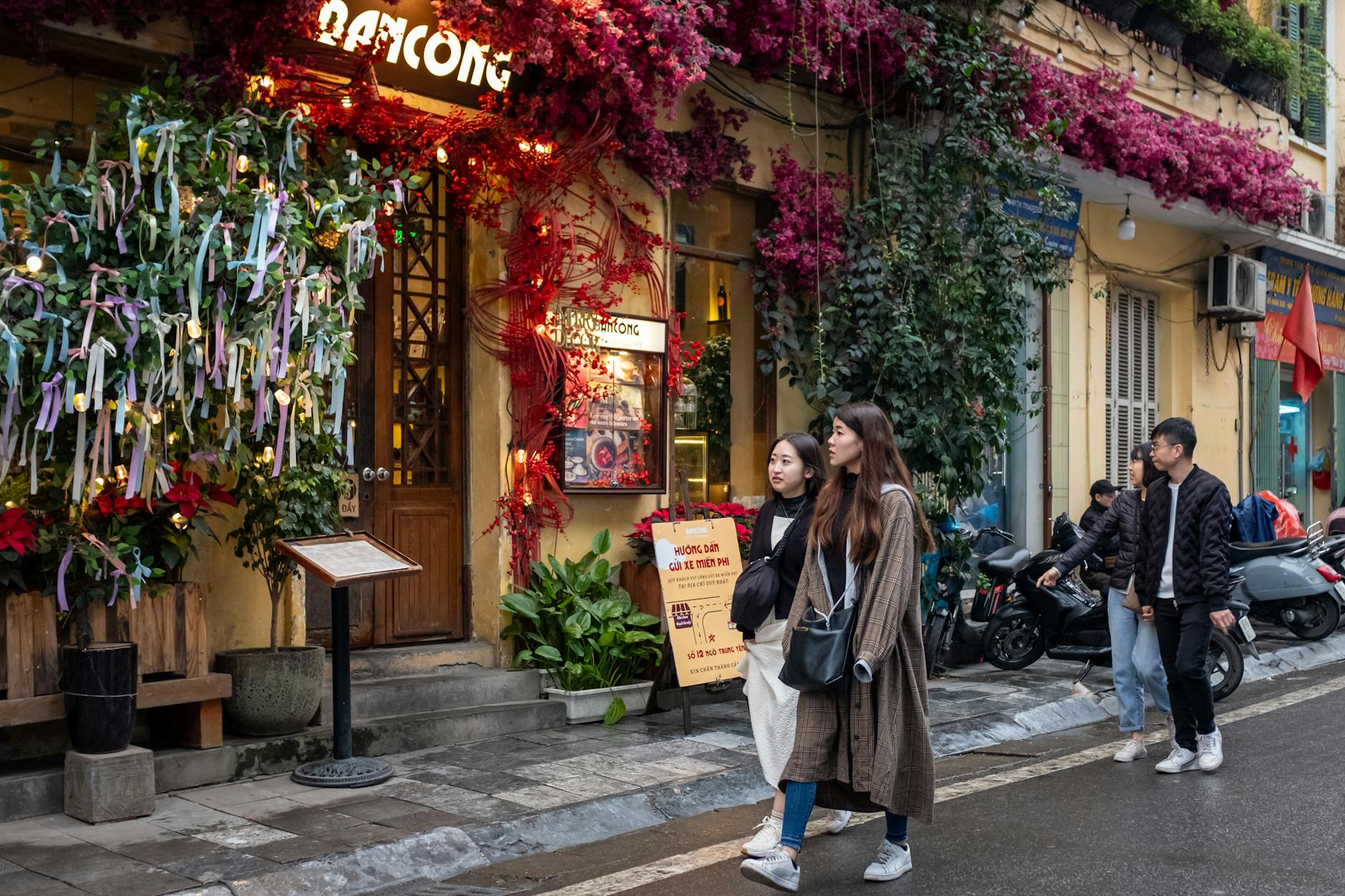
Planning a trip to Hanoi and wondering how safe it really is? This complete Hanoi safety tips guide covers everything you need to know — from common tourist scams and street-crossing survival strategies to emergency contacts, health precautions, and visa requirements for 2026. Vietnam’s capital is one of the safest destinations in Southeast Asia, but a little preparation goes a long way. Whether you are a solo female traveler, a first-time visitor, or a seasoned backpacker, this guide will help you navigate Hanoi with confidence and peace of mind.
Is Hanoi Safe for Tourists in 2026?

The short answer is yes — Hanoi is very safe for tourists. The US State Department maintains Vietnam at a Level 1 advisory (“Exercise Normal Precautions”), the lowest risk category possible. This puts Vietnam on par with countries like the United Kingdom, Japan, and Canada in terms of overall travel safety.
Vietnam consistently ranks among the safest countries in Southeast Asia. The Global Peace Index places it ahead of popular destinations like Thailand, the Philippines, and Indonesia. Violent crime against tourists is extremely rare in Hanoi. The city’s main safety concerns are petty theft (pickpocketing and bag-snatching), tourist scams, and traffic-related incidents — all of which are highly preventable with basic awareness.
Hanoi’s crime statistics tell a reassuring story. The rate of violent crime is significantly lower than most Western capital cities. Muggings and assaults targeting tourists are almost unheard of. The Vietnamese government places a high priority on tourist safety, recognizing that tourism is a vital economic sector. Plainclothes and uniformed police officers patrol popular tourist areas in the Old Quarter and around Hoan Kiem Lake throughout the day and night.
That said, no city is entirely without risk. The most common issues visitors face in Hanoi are opportunistic petty crimes and scams. Understanding these risks — and knowing how to avoid them — is the key to a worry-free trip. Let us break them down section by section.
Common Tourist Scams in Hanoi (And How to Avoid Them)
While Hanoi is safe from serious crime, scams targeting tourists do exist. Knowing about them in advance is your best defense. Here are the most common ones to watch for in 2026:
The Donut and Fruit Basket Scam
A friendly vendor approaches you in the Old Quarter or near Hoan Kiem Lake and places a basket of fruit or a tray of donuts on your shoulder or in your hands, often while insisting on a photo. Once you are holding the goods, they demand an outrageous payment — sometimes 500,000 to 1,000,000 VND ($20–$40) for items worth a fraction of that. How to avoid it: Politely but firmly decline anything placed on or handed to you. A simple “no, thank you” while walking away is sufficient. Do not feel obligated to pay for something you did not ask for.
Currency Confusion Scam
Vietnamese Dong uses large denominations — a single meal can cost 50,000 to 150,000 VND. Scammers exploit the confusion that comes with handling unfamiliar banknotes. A vendor might give you change for a 50,000 VND note when you actually paid with a 500,000 VND note (the bills look similar). Others deliberately create confusion during transactions. How to avoid it: Familiarize yourself with VND banknotes before your trip. The different denominations have distinct colors. Always count your change carefully, and keep small and large bills in separate pockets.
The Gambling or Card Game Scam
A friendly local invites you to their home to meet their family, have dinner, or practice English. Eventually, you are invited to play a card game where you initially win. The stakes increase, and suddenly you are pressured to pay large losses. How to avoid it: Never accept invitations to play card games or gamble with strangers. It sounds obvious in writing, but these scams work because the lead-up feels natural and friendly.
Taxi Scams at Noi Bai Airport
Unlicensed or dishonest taxi drivers at the airport may use rigged meters, take unnecessarily long routes, or quote inflated flat rates. Some use fake branding that closely resembles legitimate companies. How to avoid it: Use Grab or Be ride-hailing apps (Vietnam’s equivalent of Uber). If you prefer a traditional taxi, only use official airport taxi counters and insist on reputable companies like Mai Linh (green) or Vinasun (white). A taxi from Noi Bai Airport to the Old Quarter should cost approximately 350,000–450,000 VND ($14–$18). For a comprehensive breakdown of all transport options, see our Hanoi Transportation Guide.
The Shoe Shine Scam
Young men approach you offering to shine your shoes — even if you are wearing sneakers or sandals. They may start working on your shoes without permission, then demand an excessive fee. Some will claim your shoe is damaged and “needs repair.” How to avoid it: Firmly decline and walk away. Do not let anyone touch your shoes without your explicit consent and an agreed-upon price.
Overcharging at Restaurants and Street Stalls
Some restaurants in heavy tourist areas operate without menus or with menus that lack prices. You only discover the inflated cost when the bill arrives. How to avoid it: Always ask for a menu with prices before ordering. If there is no menu, ask the price of each item before you sit down. For authentic and honestly priced food experiences, check our Hanoi Food Guide.
Transportation Safety in Hanoi
Traffic is arguably the biggest genuine safety concern in Hanoi. The city is home to an estimated 6 million motorbikes, and the flow of traffic can feel overwhelming to first-time visitors. Understanding how to navigate it safely is essential.
Ride-Hailing Apps: Your Safest Option
Grab and Be are the two dominant ride-hailing platforms in Hanoi. They work just like Uber — you book through the app, the price is fixed in advance, and the route is tracked by GPS. This eliminates the risk of meter fraud, route padding, and price disputes. Both apps offer car rides (GrabCar) and motorbike taxis (GrabBike). For getting around the Old Quarter and central Hanoi, motorbike taxis are faster and cheaper, typically costing 15,000–30,000 VND ($0.60–$1.20) for short trips.
Motorbike Rental Risks
Renting a motorbike in Hanoi is popular but comes with serious risks. Hanoi’s traffic is chaotic even by Vietnamese standards. Unless you are an experienced motorbike rider, we strongly recommend against renting one in the city center. Key risks include:
- Insurance issues: Most travel insurance policies do not cover motorbike accidents unless you hold a valid Vietnamese or International Driving Permit (IDP) with a motorcycle endorsement.
- Road conditions: Potholes, unexpected obstacles, and unpredictable traffic patterns are common.
- Legal requirements: You legally need a Vietnamese motorcycle license or a valid IDP. Riding without one means you are technically uninsured and could face fines.
If you do rent a motorbike, always wear a helmet, avoid riding at night in unfamiliar areas, and never drink and drive. The blood alcohol limit in Vietnam is zero — any detectable alcohol while operating a vehicle is illegal.
How to Cross the Street in Hanoi: A Survival Guide
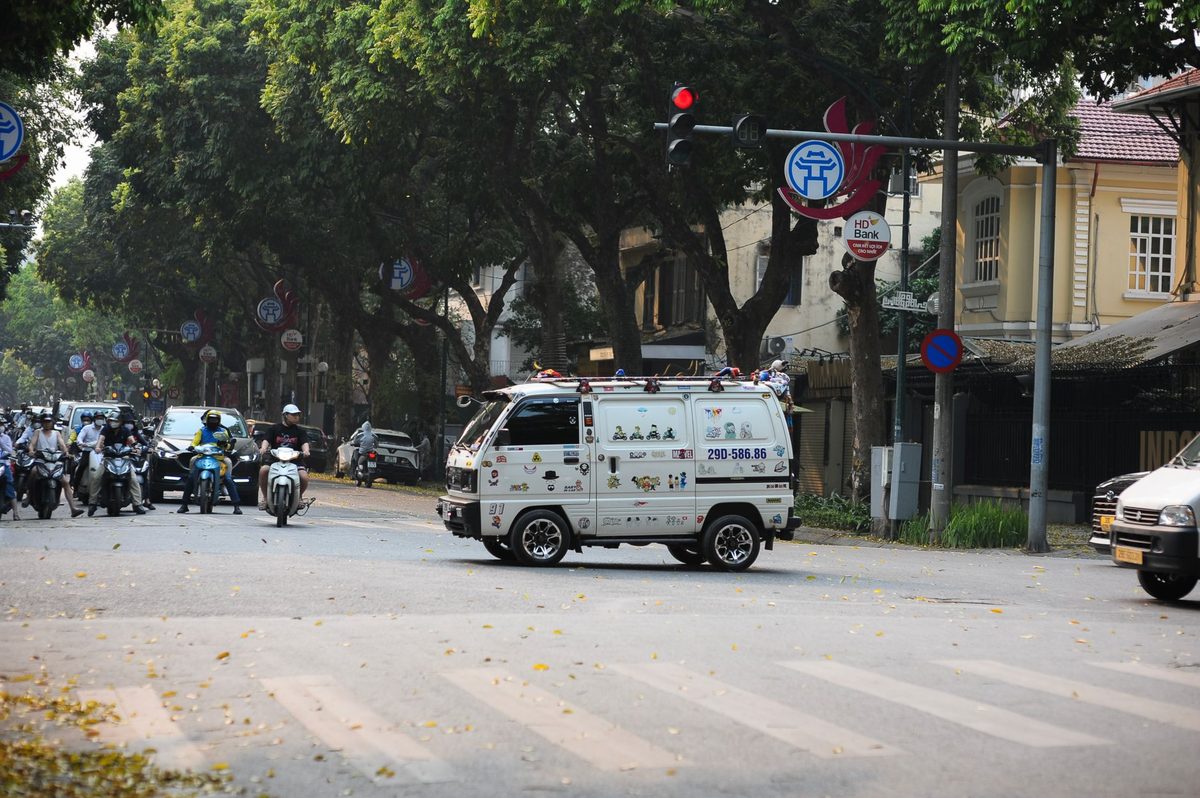
Crossing the street in Hanoi is a rite of passage for every visitor. The endless stream of motorbikes rarely stops, traffic lights are treated as suggestions, and pedestrian crossings are largely decorative. But here is the secret: it is much safer than it looks, if you follow these rules:
- Walk at a slow, steady pace. This is the single most important rule. Motorbike drivers are incredibly skilled at reading pedestrian movement and will flow around you — but only if your movement is predictable.
- Never stop suddenly. Stopping in the middle of the road is the most dangerous thing you can do. Drivers have already calculated their path based on your trajectory.
- Never run. Running makes your movement unpredictable and greatly increases the chance of a collision.
- Make eye contact with drivers when possible. This confirms they have seen you.
- Cross in groups when you can. Walk alongside locals — they create a larger, more visible “obstacle” for traffic to navigate around.
- Watch for cars and buses. Unlike motorbikes, large vehicles cannot easily swerve around you. Always yield to buses and trucks.
- Use traffic lights and crosswalks where available. While not perfectly respected, they do slow traffic and improve your odds.
After a day or two, you will find that crossing Hanoi’s streets becomes second nature. Many travelers describe it as one of the most memorable parts of their trip.
Health, Vaccinations, and Medical Safety
Hanoi does not pose any extraordinary health risks, but a few precautions will help keep you healthy throughout your trip.
Recommended Vaccinations
Consult your doctor or a travel health clinic at least 4–6 weeks before your trip. The CDC’s travel health page for Vietnam recommends the following vaccines for most travelers:
- Routine vaccines: Make sure your routine vaccinations (MMR, diphtheria-tetanus-pertussis, varicella, polio, flu) are up to date.
- Hepatitis A: Recommended for all travelers. Spread through contaminated food or water.
- Hepatitis B: Recommended if you might have contact with blood or body fluids, get a tattoo, or have medical procedures.
- Typhoid: Recommended for most travelers, especially those eating street food or staying in smaller cities.
- Japanese Encephalitis: Consider if you plan to spend time in rural areas outside Hanoi.
- Rabies: Consider if you plan to be around animals, go caving, or travel to remote areas where medical care is limited.
Malaria is not a significant risk in Hanoi. The city is not in a malaria zone, so antimalarials are not necessary for trips limited to Hanoi and major Vietnamese cities. However, if you plan to visit rural highland areas (Sa Pa, Ha Giang), consult your doctor about malaria prophylaxis.
Air Quality and Pollution
Hanoi’s air quality is a legitimate health concern, particularly from October through March when the AQI (Air Quality Index) regularly exceeds 130 and can spike above 200 on bad days. This is especially relevant for travelers with asthma or respiratory conditions. Tips for managing air pollution:
- Download an air quality app (IQAir or AirVisual) to monitor real-time AQI levels.
- Carry a KN95 or N95 mask for days when the AQI is high.
- Limit outdoor exercise on high-pollution days.
- Choose accommodations with air purifiers if you are sensitive to air quality.
Air quality is generally better from May through September. For detailed seasonal planning, see our Hanoi Weather and Best Time to Visit Guide.
Water Safety
Do not drink tap water in Hanoi. Always drink bottled or purified water. Bottled water is cheap and available everywhere — a 500ml bottle costs 5,000–10,000 VND ($0.20–$0.40). Ice in restaurants and cafes is generally safe, as it is commercially produced from purified water, but use your judgment at very small or remote stalls.
Food Hygiene Tips
Hanoi’s street food is world-famous and generally safe to eat, but follow these guidelines to minimize the chance of stomach trouble:
- Eat at stalls with high turnover — lots of local customers means fresh ingredients.
- Make sure meat is cooked thoroughly and served hot.
- Be cautious with raw vegetables and salads, especially at smaller stalls.
- Carry basic stomach medication (Imodium, Pepto-Bismol) as a precaution.
- Wash your hands regularly or carry hand sanitizer.
Money, Currency, and ATM Safety in Hanoi
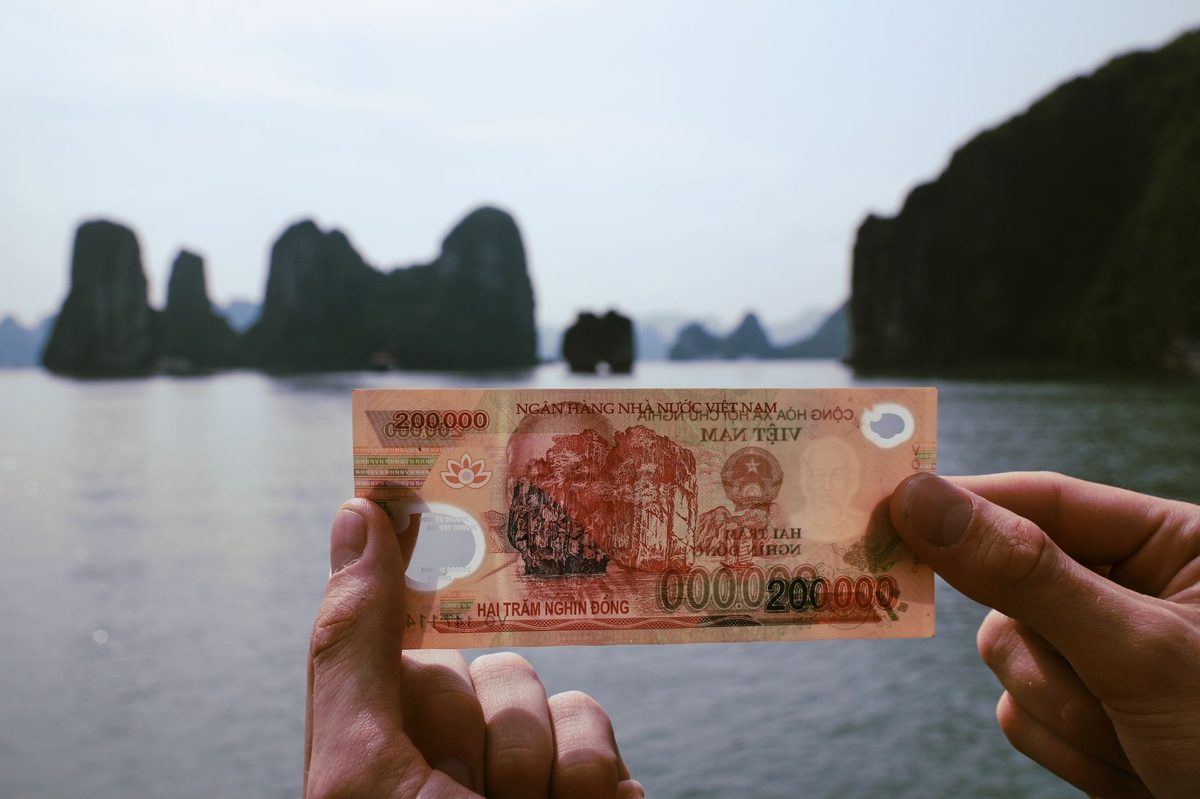
Vietnam’s currency is the Vietnamese Dong (VND). As of 2026, the exchange rate is approximately 25,000 VND to 1 USD. The large numbers can be confusing at first — a nice dinner might cost 350,000 VND, which sounds like a fortune but is actually about $14.
Best Places to Exchange Money
For the best exchange rates in Hanoi:
- Gold and jewelry shops in the Old Quarter — These consistently offer the best rates in Hanoi, often 1–3% better than banks. Ha Trung Street is a reliable area for currency exchange.
- Banks — Safe and reliable, but rates are slightly worse than jewelry shops.
- Avoid airport exchange counters — The rates at Noi Bai Airport are significantly worse (often 3–5% below market rate). Only exchange a small amount for the taxi ride if needed.
ATM Tips
ATMs are widely available throughout Hanoi. Here is what you need to know:
- Withdrawal fees: Most Vietnamese ATMs charge 30,000–80,000 VND ($1.20–$3.20) per transaction, in addition to any fees your home bank charges.
- Withdrawal limits: Most ATMs limit withdrawals to 2,000,000–5,000,000 VND ($80–$200) per transaction. Some ATMs (notably BIDV and Agribank) allow up to 5,000,000 VND.
- Best ATMs for foreigners: Techcombank, VP Bank, and BIDV tend to have higher limits and lower fees.
- Always decline “dynamic currency conversion” — when the ATM offers to charge you in your home currency, always choose VND. The conversion rate offered by ATMs is typically 3–5% worse than your bank’s rate.
Cards vs. Cash
Hanoi is still predominantly a cash-based economy, especially for street food, markets, small shops, and taxis. Larger restaurants, hotels, and shopping malls accept Visa and Mastercard, but always carry enough cash for daily expenses. A good rule of thumb is to carry 500,000–1,000,000 VND ($20–$40) in cash per day for food, transport, and small purchases. For detailed accommodation planning, see our guide on Where to Stay in Hanoi.
SIM Cards and WiFi in Hanoi
Having a local SIM card or eSIM is highly recommended for navigation (Google Maps is essential in Hanoi), ride-hailing apps (Grab/Be), and staying connected.
Best SIM Card Options
Viettel is the recommended provider for most travelers. It has the widest 4G/5G coverage in Vietnam, including rural and mountainous areas. Other options include Mobifone and Vinaphone.
- Tourist SIM cards cost 250,000–400,000 VND ($10–$16) and typically include 4–6 GB of daily data, unlimited domestic calls, and 15–30 days of validity.
- Where to buy: Official counters at Noi Bai Airport (arrivals hall) are the easiest option. You can also purchase SIMs at any Viettel, Mobifone, or Vinaphone shop throughout the city.
- What you need: Your passport. Vietnamese regulations require ID verification for SIM card purchases.
eSIM Options
If your phone supports eSIM, services like Airalo, Holafly, and Nomad offer Vietnam eSIMs that you can purchase and activate before arrival. Prices range from $5–$15 for 1–10 GB of data. This is convenient if you want connectivity the moment you land, but rates per GB are typically higher than local SIM cards.
WiFi Availability
Free WiFi is widely available in Hanoi. Nearly every hotel, hostel, cafe, and restaurant offers complimentary WiFi. Connection quality is generally good — Hanoi has some of the fastest internet speeds in Southeast Asia. However, do not rely solely on WiFi for navigation and ride-hailing; a local data connection is much more reliable.
Vietnam Visa Requirements 2026
Vietnam has significantly liberalized its visa policies in recent years. Here are the current options for 2026:
| Visa Type | Duration | Cost | Eligible Countries | Processing |
|---|---|---|---|---|
| E-Visa | Up to 90 days (single or multiple entry) | $25 USD | All nationalities | 3 business days online |
| Visa Exemption | Up to 45 days | Free | 13 countries (UK, France, Germany, Spain, Italy, Denmark, Sweden, Norway, Finland, Japan, South Korea, Belarus, Russia) | No application needed |
| ASEAN Exemption | 14–30 days (varies) | Free | ASEAN member states | No application needed |
| Visa on Arrival | Up to 30 days | $25–$50 USD | Pre-approved nationalities | Pre-approval letter required |
Important passport requirements: Your passport must be valid for at least 6 months beyond your planned entry date and must have at least 2 blank pages. The E-Visa application is completed online at the official Vietnam Immigration Portal. Be cautious of third-party websites that charge additional processing fees.
For the latest visa information, check the Australian Government’s Smartraveller page for Vietnam, which is regularly updated and provides clear, reliable information.
Emergency Contacts in Hanoi
Save these numbers in your phone before you arrive in Hanoi:
| Service | Number | Notes |
|---|---|---|
| Police | 113 | Vietnamese language — have a local help if possible |
| Ambulance | 115 | Response times vary; consider taxi to hospital for non-critical emergencies |
| Fire Department | 114 | |
| Tourist Hotline | 1800 599 920 | Free call, English-speaking operators, 24/7 |
| US Embassy | (024) 3850 5000 | 7 Lang Ha, Ba Dinh District |
| UK Embassy | (024) 3946 0222 | Central Building, 31 Hai Ba Trung |
| Australian Embassy | (024) 3774 0100 | 8 Dao Tan, Ba Dinh District |
| Canadian Embassy | (024) 3734 5000 | 31 Hung Vuong, Ba Dinh District |
Practical tip: In a genuine emergency, calling 113 (police) will get the fastest response. However, most operators speak limited English. Your hotel front desk is often the best first point of contact for non-critical emergencies — they can help translate, call the appropriate services, and coordinate assistance.
Hospitals and Medical Care in Hanoi
Hanoi has several excellent international-standard hospitals and clinics. For serious medical issues, these are your best options:
International Hospitals and Clinics
- Raffles Medical Hanoi (formerly SOS International) — 51 Xuan Dieu, Tay Ho District. Staffed by international doctors, English-speaking, and experienced with travel-related illnesses. This is the top choice for most expatriates and tourists.
- Vinmec International Hospital — 458 Minh Khai, Hai Ba Trung District. Modern facility with international standards, English-speaking staff, and a wide range of specialties.
- French Hospital (L’Hôpital Français de Hanoi) — 1 Phuong Mai, Dong Da District. Well-established hospital with French and Vietnamese doctors, good reputation for general and emergency care.
- Family Medical Practice — 298i Kim Ma, Ba Dinh District. Popular expat clinic for general consultations, vaccinations, and non-emergency care.
Pharmacies
Pharmacies (nhà thuốc) are found on virtually every street in Hanoi. Many common medications that require prescriptions in Western countries are available over the counter in Vietnam, including antibiotics, anti-inflammatories, and stomach medications. Pharmacists may not speak English, so bring a translation app or write down the generic drug name. Prices are very affordable — a course of common antibiotics might cost 50,000–100,000 VND ($2–$4).
Travel Insurance
Travel insurance is strongly recommended. While medical care in Vietnam is affordable by Western standards, emergency evacuation to Singapore or Bangkok (sometimes necessary for complex procedures) can cost $50,000 or more. A good travel insurance policy costs $5–$15 per day and provides peace of mind. Ensure your policy covers:
- Emergency medical treatment
- Medical evacuation
- Trip cancellation and interruption
- Motorbike use (if you plan to ride — many basic policies exclude this)
Safety Tips for Women Travelers in Hanoi
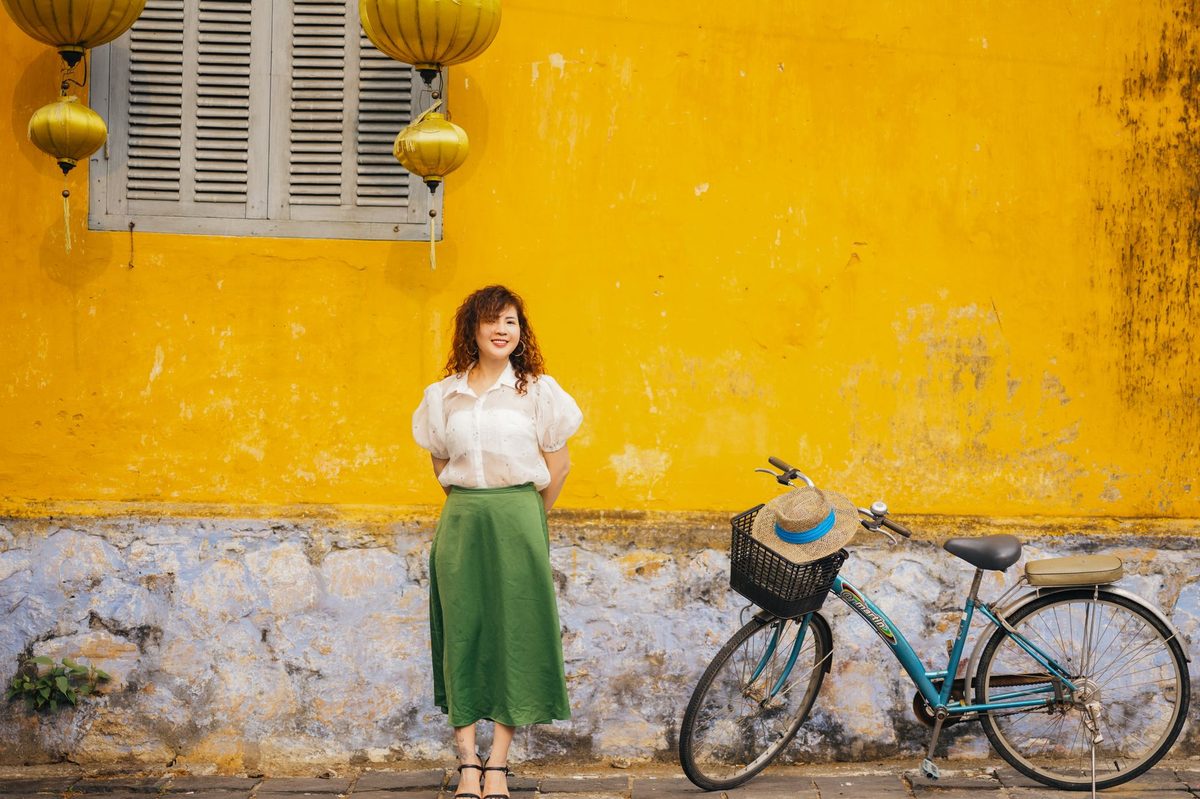
Hanoi is widely considered one of the safest cities in Asia for solo female travelers. Vietnamese culture is generally respectful toward women, and incidents of harassment or assault are rare. That said, standard precautions apply:
- Solo travel is very common and safe. Thousands of solo female travelers visit Hanoi every year without incident. Hostels and guesthouses in the Old Quarter are well-accustomed to solo travelers.
- Nightlife safety: Hanoi’s nightlife centers around Ta Hien Street (Beer Street) and the Old Quarter. Stick to well-populated areas, watch your drinks, and use Grab to get back to your accommodation.
- Dress code at temples and pagodas: Cover your shoulders and knees when visiting religious sites. This is a sign of respect, not a safety issue, but it helps you blend in and avoid unwanted attention.
- Cultural consideration: Vietnamese men may stare or attempt to engage you in conversation. This is usually innocent curiosity rather than predatory behavior, but trust your instincts and remove yourself from any situation that feels uncomfortable.
- Accommodation: Choose well-reviewed hotels and hostels. The Old Quarter, Hoan Kiem, and Ba Dinh districts are all safe, well-lit, and centrally located areas.
Weather Hazards and Seasonal Safety
Hanoi’s climate presents different safety considerations depending on when you visit. For a full seasonal breakdown, see our Hanoi Weather and Best Time to Visit Guide.
Typhoon Season (July–November)
Vietnam’s typhoon season can bring heavy rain, flooding, and strong winds to Hanoi, though the city is less affected than coastal areas. During typhoon warnings:
- Monitor weather updates through your hotel and local news.
- Avoid travel to Ha Long Bay and coastal areas during active typhoon warnings.
- Keep your passport and valuables in waterproof bags.
- Some streets in Hanoi can flood during heavy rain — avoid walking through floodwater.
Extreme Heat (May–September)
Temperatures regularly reach 35–40°C (95–104°F) with high humidity. Heat exhaustion and heatstroke are real risks:
- Drink at least 2–3 liters of water per day.
- Schedule outdoor activities for early morning (before 10 AM) or late afternoon (after 4 PM).
- Wear sunscreen, a hat, and light, breathable clothing.
- Take breaks in air-conditioned spaces — cafes are everywhere and welcome lingerers.
Rainy Season (May–October)
Expect sudden, heavy downpours, often in the afternoon. Rain usually lasts 30–60 minutes and then clears. Carry a lightweight rain jacket or poncho (available for 20,000–30,000 VND from any convenience store), and avoid sheltering under trees during lightning storms.
Tipping Etiquette in Hanoi
Tipping is not expected or customary in Vietnam, but it is appreciated for good service. Here are general guidelines:
- Restaurants: Tipping is not expected. If you want to show appreciation, rounding up the bill or leaving 5–10% is a generous gesture. Many upscale restaurants add a 5–10% service charge automatically.
- Hotels: 20,000–50,000 VND ($0.80–$2) per day for housekeeping. 20,000 VND for bellhop/porter service.
- Tour guides: 100,000–200,000 VND ($4–$8) per person per day for a private guide. 50,000–100,000 VND for a group tour guide.
- Drivers: 50,000–100,000 VND ($2–$4) per day for a private driver.
- Spa/massage: 50,000–100,000 VND ($2–$4) for good service.
- Grab/taxi drivers: Not expected. You can round up to the nearest convenient amount.
Hanoi Safety Tips: Quick Reference Checklist
Before your trip, use this quick checklist to ensure you are prepared:
- ☑ Passport valid for 6+ months with 2 blank pages
- ☑ E-Visa or visa exemption confirmed
- ☑ Travel insurance purchased (including medical evacuation)
- ☑ Vaccinations up to date (Hep A, Typhoid at minimum)
- ☑ Grab app downloaded and payment method added
- ☑ Emergency numbers saved in phone
- ☑ Copies of passport stored digitally (email to yourself)
- ☑ Small denominations of USD for airport exchange
- ☑ Notify your bank of travel dates to prevent card blocks
- ☑ Download offline Google Maps for Hanoi
- ☑ KN95 mask packed for air pollution days
- ☑ Basic medication kit (stomach meds, antihistamines, pain relief)
Frequently Asked Questions About Hanoi Safety
Is Hanoi safe to walk around at night?
Yes, Hanoi is generally safe to walk around at night, especially in the Old Quarter, around Hoan Kiem Lake, and in the main tourist areas. These areas are well-lit, populated, and patrolled. Use common sense — avoid poorly lit alleys, keep valuables secure, and use Grab for longer distances after dark.
Is the street food in Hanoi safe to eat?
Hanoi’s street food is generally safe and is one of the highlights of visiting the city. Choose busy stalls with high turnover, eat freshly cooked food served hot, and avoid pre-prepared items that have been sitting out. Most travelers eat street food daily without any issues. For the best street food experiences, see our Hanoi Food Guide.
Do I need to worry about pickpocketing?
Pickpocketing exists but is less common in Hanoi than in many European cities. The bigger risk is bag-snatching from motorbikes — thieves on motorbikes may grab bags or phones from pedestrians. Keep your bag on the side away from the road, use a crossbody bag, and avoid walking while looking at your phone on busy streets.
Is it safe to drink ice in Hanoi?
In most restaurants and cafes, yes. Commercial ice (you can recognize it by its cylindrical shape with a hole in the middle) is made from purified water and is safe. Irregularly shaped, hand-chipped ice from blocks is less reliable, though still generally safe at established restaurants.
Should I carry my passport with me in Hanoi?
Vietnamese law requires foreigners to carry identification at all times. In practice, a photocopy or clear photo of your passport on your phone is usually sufficient for day-to-day activities. Keep your actual passport in your hotel safe and carry a copy. You will need the original passport for hotel check-ins, domestic flights, and train tickets.
What should I do if I am the victim of a scam or theft?
Contact the Tourist Hotline (1800 599 920) for English-language assistance. For theft, file a police report at the nearest police station — you will need this for insurance claims. Your hotel can help facilitate communication with the police. If your passport is stolen, contact your embassy immediately.
Is Hanoi safe for LGBTQ+ travelers?
Vietnam is one of the most LGBTQ+-friendly countries in Southeast Asia. While same-sex marriage is not legally recognized, there are no laws criminalizing homosexuality, and attitudes, especially in Hanoi, are generally tolerant and increasingly progressive. Hanoi has a small but visible LGBTQ+ scene. Public displays of affection (for any couple) are less common in Vietnamese culture, so discretion is advised, but LGBTQ+ travelers generally report feeling safe and welcome.
Related Hanoi travel guides
Keep planning your trip with these in-depth Hanoi guides: Hanoi travel guide, getting around Hanoi, the best time to visit Hanoi, Hanoi itineraries.
Final Thoughts: Enjoying Hanoi Safely
Hanoi is a remarkably safe city that rewards curious, open-minded travelers. The overwhelming majority of visitors leave with nothing but positive memories and a strong desire to return. The “risks” in Hanoi are manageable and minor compared to many popular travel destinations worldwide.
By following the Hanoi safety tips in this guide — staying aware of common scams, using Grab for transport, taking basic health precautions, and carrying travel insurance — you can focus on what really matters: enjoying the incredible food, fascinating culture, and warm hospitality that make Hanoi one of Southeast Asia’s most captivating capitals.
For more help planning your trip, explore our comprehensive Hanoi Travel Guide, which covers everything from neighborhoods and attractions to detailed itineraries for every type of traveler. Have more questions? The US State Department’s Vietnam Travel Advisory page is another excellent resource for up-to-date safety information.
Every guide in this series
This pillar is the overview. Each guide below goes deep on one piece of it:
- Common Scams in Hanoi: How to Avoid Them
- Hanoi Health & Vaccinations: Medical Travel Guide
- Vietnam Visa Guide for Hanoi: Entry Requirements
- Hanoi Money & Currency Tips: Payment Guide
- Hanoi SIM Card & WiFi Guide: Connectivity
- Hanoi Emergency Contacts: Important Numbers
- Crossing the Street in Hanoi: Traffic Safety Guide
- Hanoi Hospital & Medical Care: Healthcare Guide
- Travel Insurance for Hanoi: Coverage & Options
- Hanoi Tipping Etiquette: Service & Gratuity Guide